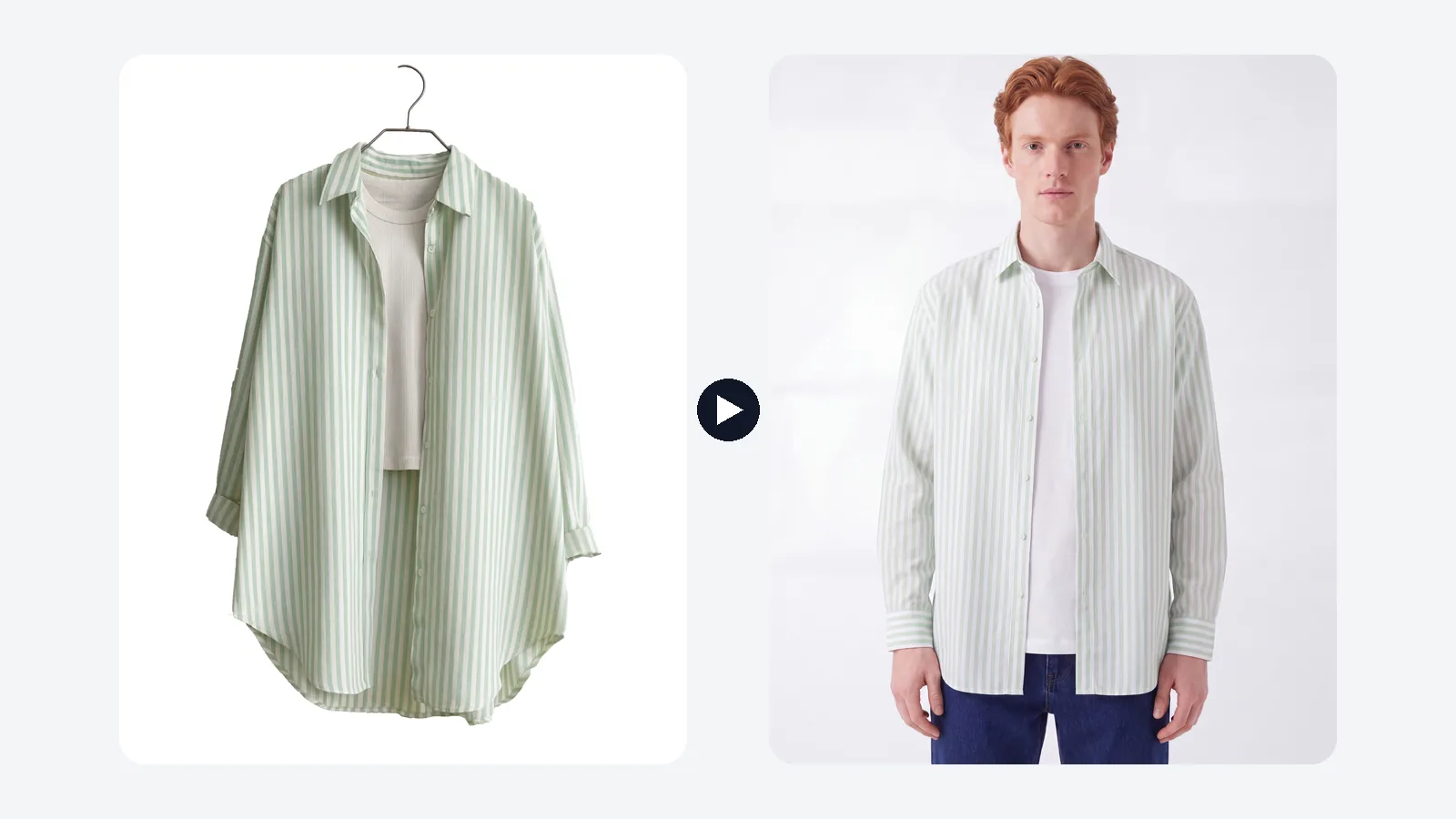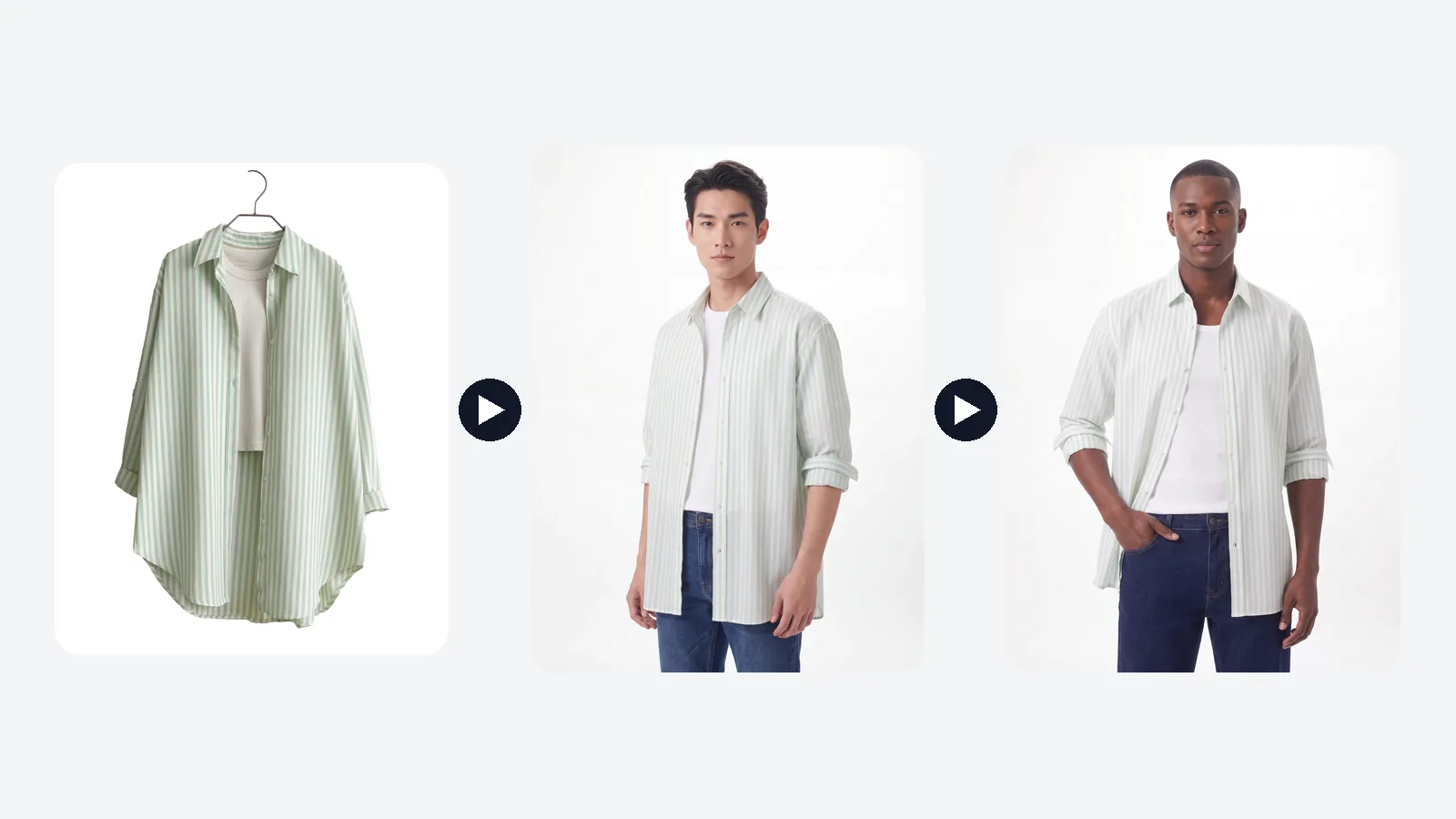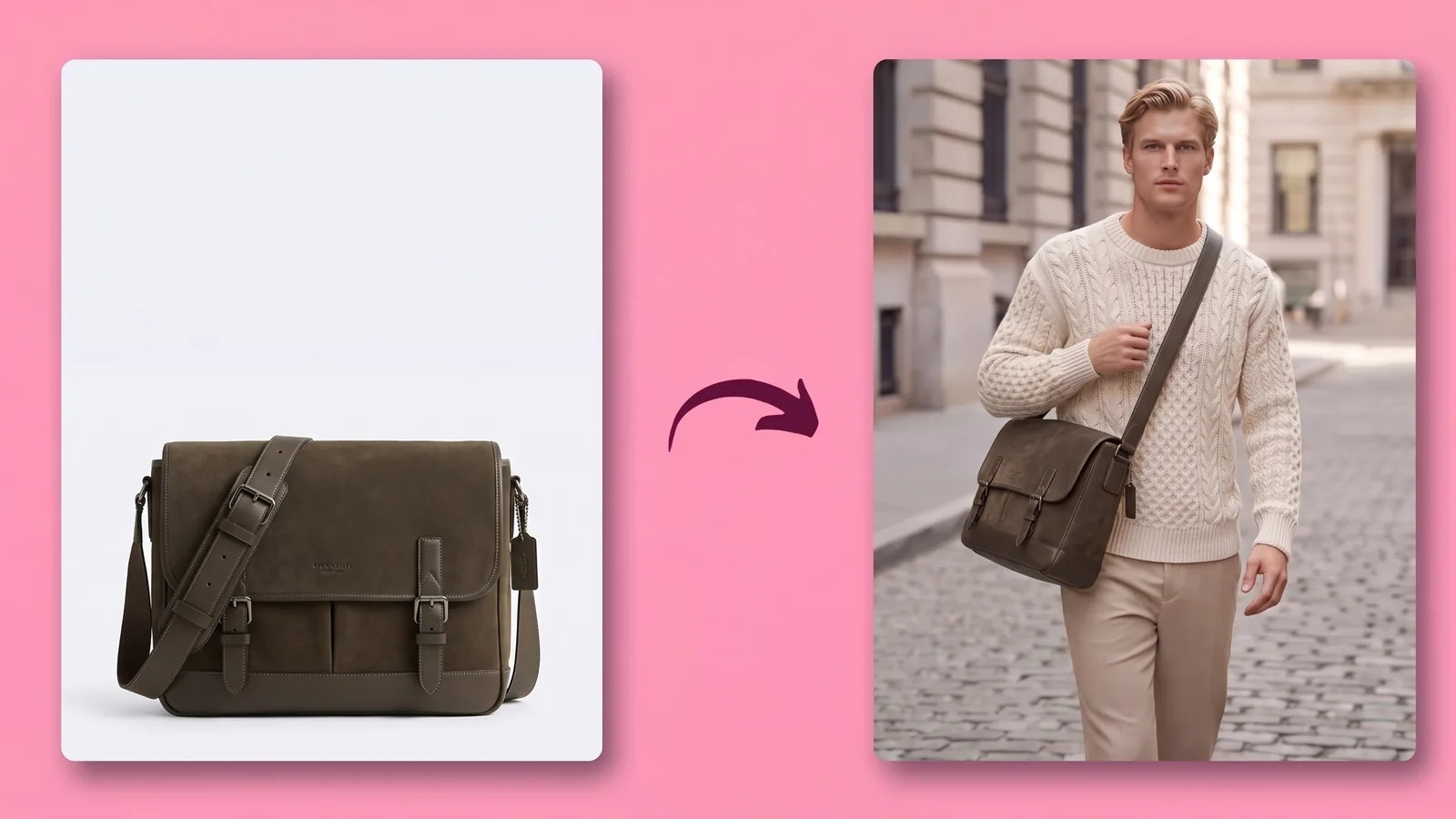
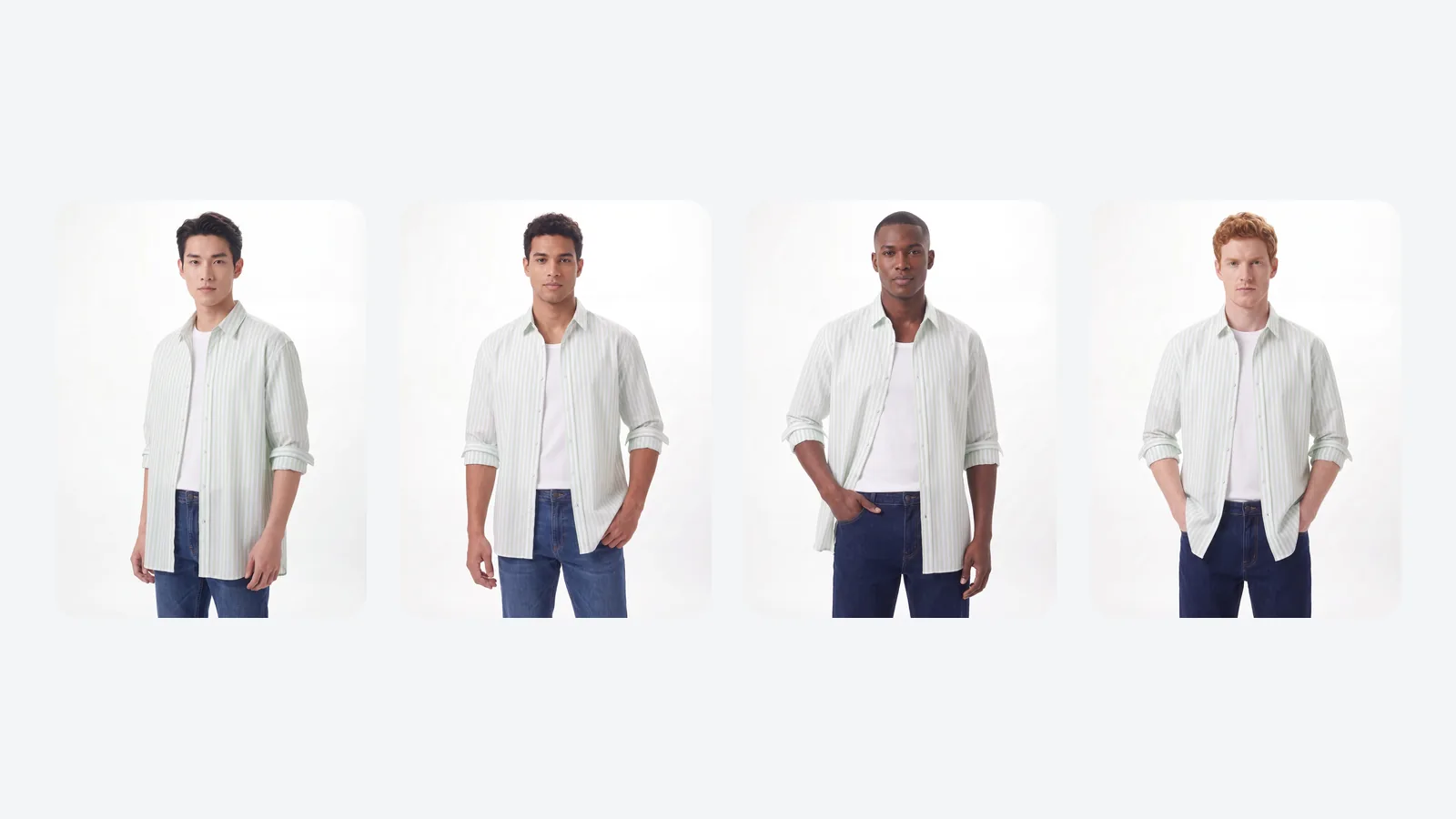
Some do, but not equally. Most clothing returns come down to size and fit, so size and fit tools have the strongest published results: Zalando says its size tools prevented 8% of size-related returns in 2025. Try-on widgets and AI model photos fix a different problem, how an item looks, and no retailer has published return data for them yet.
Last updated: November 2026 · Prices checked November 2026
Which virtual fitting tools actually help reduce returns?
Tools that predict size have the best evidence. Tools that show appearance can help with "it looked different" returns, but the proof so far is indirect. Here are the four categories side by side.
| Tool type | What it fixes | Published evidence on returns | Cost |
|---|---|---|---|
| Size and fit recommenders | Wrong size ordered | Strongest. Zalando: size tools prevented 8% of size-related returns in 2025 (Zalando, 2026) | Varies by vendor; see vendor sites. Needs good size charts and order data |
| Shopper try-on widgets (generative) | "Looks different on me than I expected": style, colour, silhouette | None published yet. Google states its own try-on does not determine fit (Google) | Monthly plans by number of shopper try-ons |
| 3D, AR and avatar fitting rooms | Size and proportion, when built from body measurements | Promising but early. Zalando's Virtual Fitting Room pilots cut return rates by up to 40% (Zalando, 2026) | Highest. Each product needs 3D or measurement data |
| On-model and multi-body photos | "Looks different from the photo": colour, drape, how it sits on a body | Indirect only. No return study; Google reports shoppers try clothes on four models per product on average (Google, 2024) | Lowest. About $0.07 to $0.13 per AI image on Fit It On |
The pattern is simple: match the tool to the return reason. If most of your returns are "too small" or "too big", start with sizing. If they are "not as pictured", start with better images.
Why do people return clothes bought online?
Size and fit is the top reason, by a wide margin. In a 2023 Coresight Research survey of 100 US apparel brands and retailers, 53% named size or fit as the main reason for online returns, ahead of colour (16%) and damage (10%) (Coresight Research, 2023).
The same report puts the average return rate for online apparel orders at 24.4%. Across all retail categories, online sales came back at 24.52% in 2024, against 8.72% for in-store sales (Appriss Retail and Deloitte, 2024).
| Main return reason (Coresight, 2023) | Share of retailers naming it | Tool that targets it |
|---|---|---|
| Size or fit | 53% | Size recommenders; measurement-based 3D fitting rooms |
| Colour | 16% | Accurate on-model photos; try-on widgets |
| Damage | 10% | None of these tools; it's a packing and quality issue |
That is the key point for anyone buying a "virtual fitting" tool. A tool that only changes how the product looks can't touch the biggest slice of returns.
Do size recommenders reduce returns?
Yes, and they have the clearest numbers. A size recommender asks for height, weight, usual sizes or past orders, then suggests a size for each product.
Zalando runs size flags, size recommendations, saved size profiles and a photo-based body measurement tool. It says these prevented 8% of size-related returns overall in 2025 (Zalando, 2026).
- Best for: stores where "too big" and "too small" top the return reasons.
- Limit: it only works as well as your size charts. Inconsistent sizing across suppliers weakens every recommendation.
- Limit: 8% of size-related returns is a real gain, not a cure. Expect a modest change, measured over months.
Do virtual try-on widgets reduce returns?
Maybe, for returns about appearance, but no retailer has published return data that isolates a generative try-on widget. Treat any "cuts returns by X%" claim without a named retailer and method with caution.
A try-on widget lets the shopper upload a photo and see the garment on themselves. That answers "will this colour and cut suit me?" It doesn't answer "will a medium fit?", and Google says plainly that its try-on "does not determine or guarantee the actual fit of the garment" (Google Shopping Help).
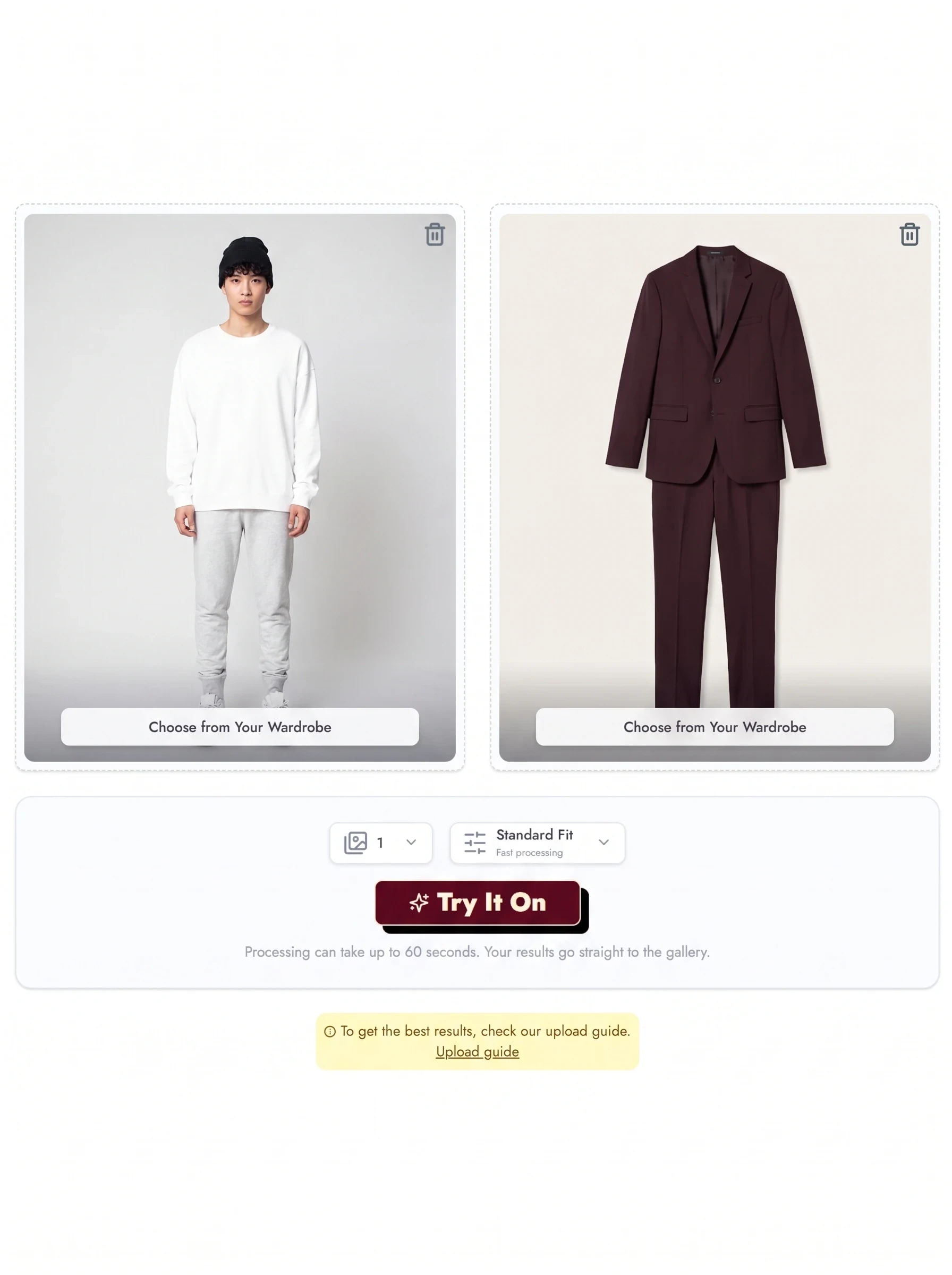
Big retailers are testing it. ASOS launched try-on with AIUTA on about 10,000 products in its iOS app in February 2026, and made no claim about returns (ASOS, 2026).
If you want to test one, our Shopify try-on widget is one option. For how the image is generated and where it fails, read how generative virtual try-on works.
Do 3D and AR fitting rooms reduce returns?
The ones built on body measurements show the biggest early results, but mostly from pilots. Zalando's Virtual Fitting Room builds a 3D avatar from the shopper's measurements to compare sizes. Zalando says pilots reduced return rates by up to 40% and plans a wider rollout (Zalando, 2026).
- Why it can work: it combines size data with a visual, so it targets the biggest return reason.
- Why most stores don't have it: every garment needs accurate 3D or measurement data, which is costly to produce.
- Watch out: "up to 40%" is a best case from a pilot, not an average.
AR camera try-on (glasses, shoes, make-up) is a different thing. It places a 3D object on a live camera view and is rarely used for clothing drape.
Can better product photos reduce returns?
They target the "not as pictured" share of returns, and they are the cheapest fix to try. There is no published study measuring their effect on returns, so test it on your own store.
What helps, and why:
- On-model shots instead of flat-lays: shoppers see length, drape and fit on a body.
- Several body types per product: shoppers can find someone like them. Google reports that people using its try-on look at four models per product on average (Google, 2024).
- Back and side views: shoppers see the back seam, the hem and the side profile before they buy.
- True colour: colour was the second most named return reason in the Coresight survey, so check images against the real garment.
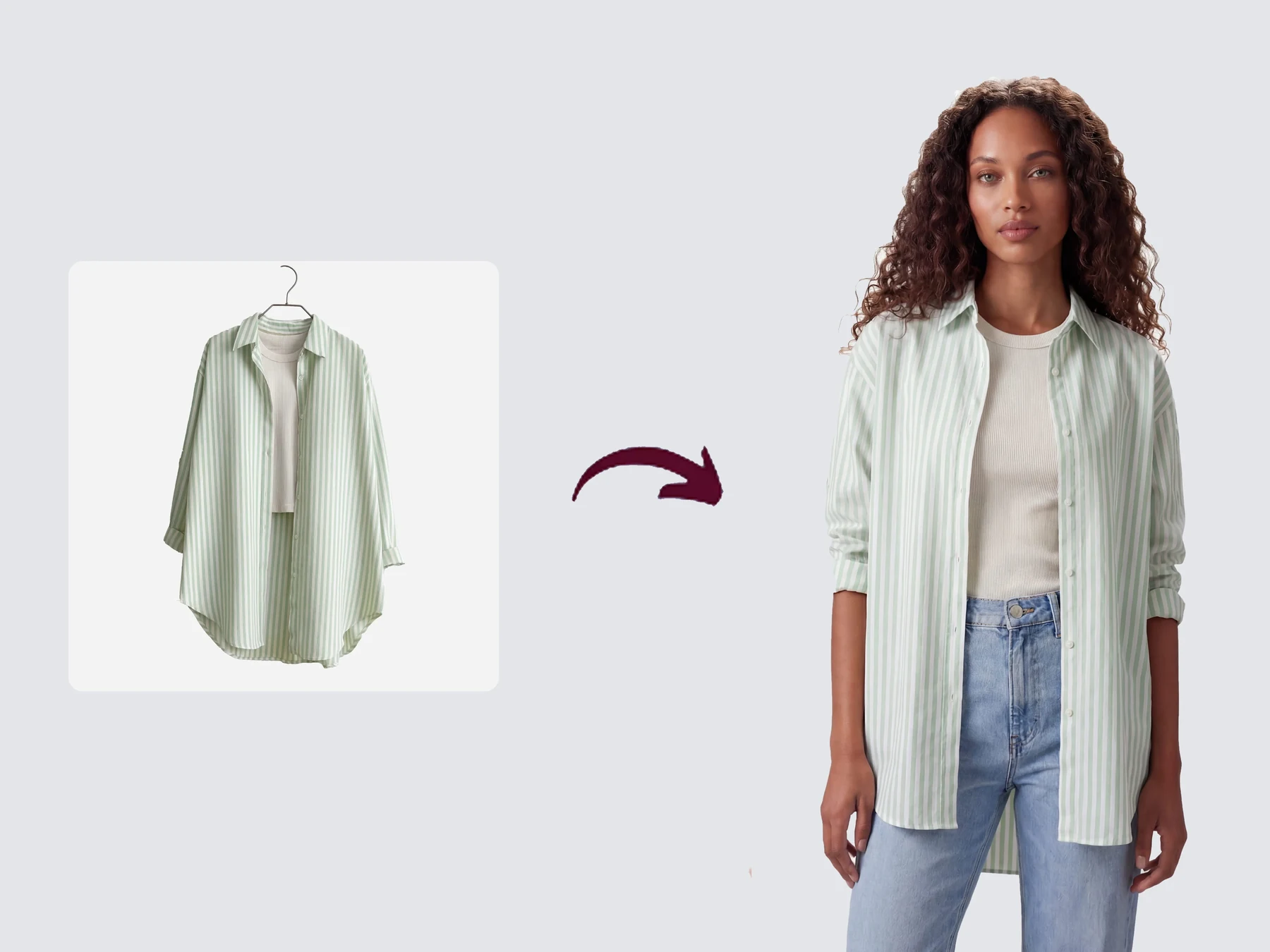
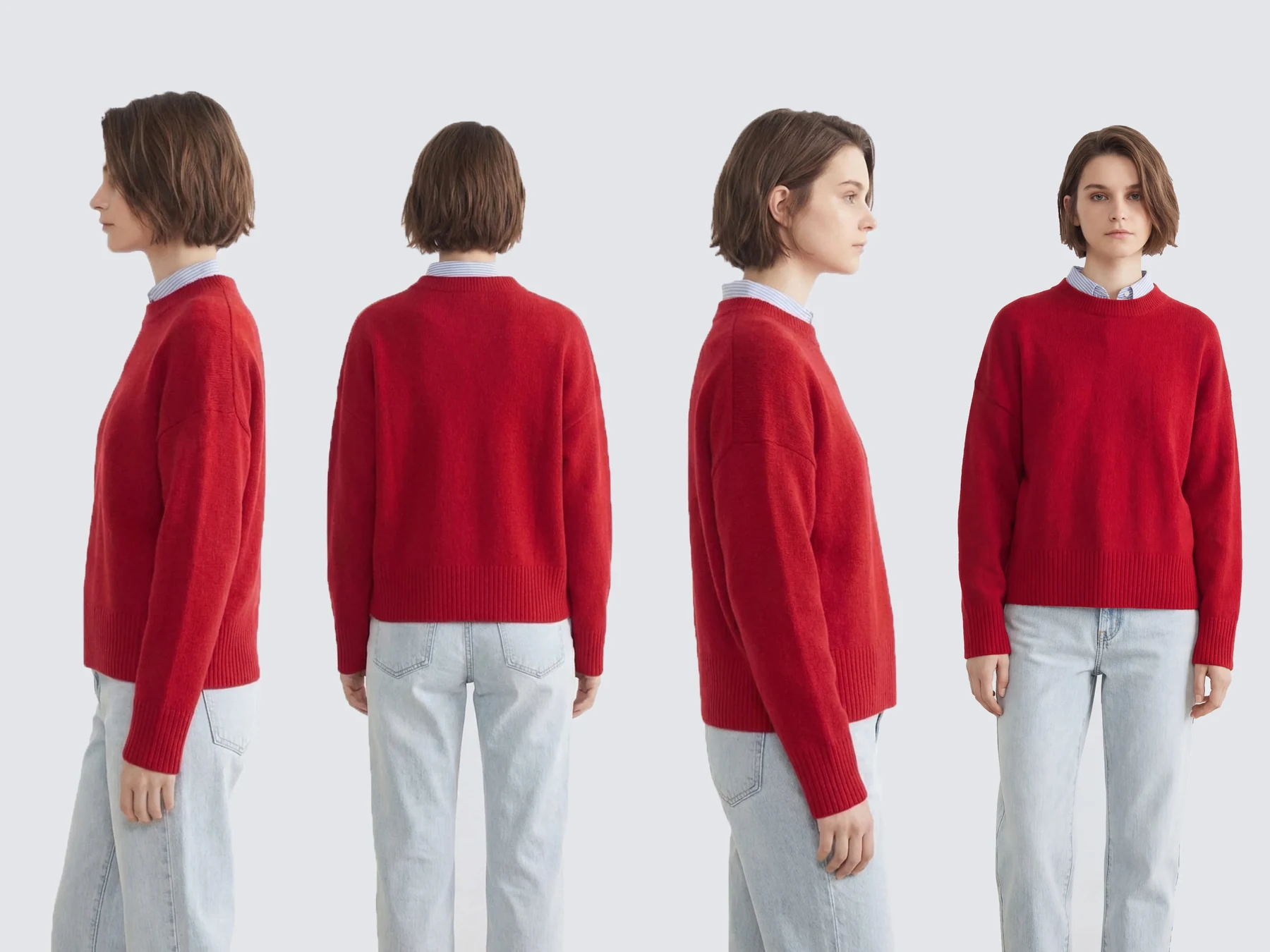
With Fit It On, product-to-model costs 1 credit per 1K image and generate angles adds side and back views. Plans start at $4.99/month for 40 credits (pricing). Limitation: it's built for apparel, and it can't fix sizing, so pair it with a size guide.
How much could fewer returns save? A worked example
Use the formula below with your own numbers. The example is illustrative, not a result: every input is an assumption, labelled with where it comes from.
Monthly saving = orders × return rate × share of returns the tool targets × reduction × cost per return
| Example input (assumption) | Value | Basis |
|---|---|---|
| Orders per month | 2,000 | Example store size |
| Return rate | 24% | Close to Coresight's 24.4% apparel average |
| Share of returns that are size-related | 50% | Assumption; size/fit is the top reason in Coresight's survey |
| Size-related returns prevented | 8% | Zalando's 2025 figure for its size tools |
| Cost to handle one return | $15 | Assumption; use your own shipping and handling cost |
| Result | ~19 fewer returns, ~$290/month | 2,000 × 24% × 50% × 8% = 19.2 returns × $15 |
This counts handling cost only. It leaves out items that can't be resold at full price, which raises the saving, and the tool's own price, which lowers it. Run the same formula for an image or try-on tool with your own "not as pictured" share and a cautious reduction, since there is no published benchmark for those.
How do you test whether a tool cuts your returns?
Measure return rate by reason, on the same products, before and after. Revenue and conversion alone won't tell you.
- Pull your return reasons. Group them into size, appearance, quality and other.
- Pick the tool for your biggest group. Use sizing for size returns and images or try-on for appearance returns.
- Start with your highest-return products. That gives you a clear signal faster.
- Compare like with like. Use an A/B split if your platform allows it, or the same products and season a year earlier.
- Wait for returns to land. Count returns at least 30 to 60 days after delivery, or your rate will look better than it is.
Comparing specific vendors? Our roundup of AI try-on tools and APIs lists options and prices.
Related guides
Frequently asked questions
Which virtual fitting tools actually help reduce clothing returns?
Size and fit recommenders have the strongest published evidence; Zalando says its size tools prevented 8% of size-related returns in 2025. Measurement-based 3D fitting rooms look promising in pilots. Try-on widgets and better on-model photos target appearance returns, but no retailer has published return data for them yet.
Does virtual try-on reduce returns?
It can reduce returns caused by an item looking different than expected, but it doesn't predict size. Since size and fit is the top return reason, a try-on widget alone won't fix most returns. Pair it with a size guide or recommender.
What is the average return rate for online clothing?
Coresight Research estimated 24.4% for US online apparel orders in the 12 months to March 2023. Across all retail, Appriss Retail and Deloitte put 2024 online returns at 24.52%, against 8.72% in store.
How much does virtual try-on cost, and what is the ROI?
AI on-model images cost cents each; on Fit It On a standard image is about $0.07 to $0.13. Shopper try-on widgets are usually monthly plans based on try-on volume. ROI depends on how many of your returns are about appearance, so measure return rate by reason before and after.
How does virtual fitting technology reduce product returns?
It gives shoppers better information before they buy: a recommended size, a view of the garment on a body, or both. Returns drop when the tool matches the main reason items come back. A sizing tool won't fix colour complaints, and a try-on image won't fix sizing.