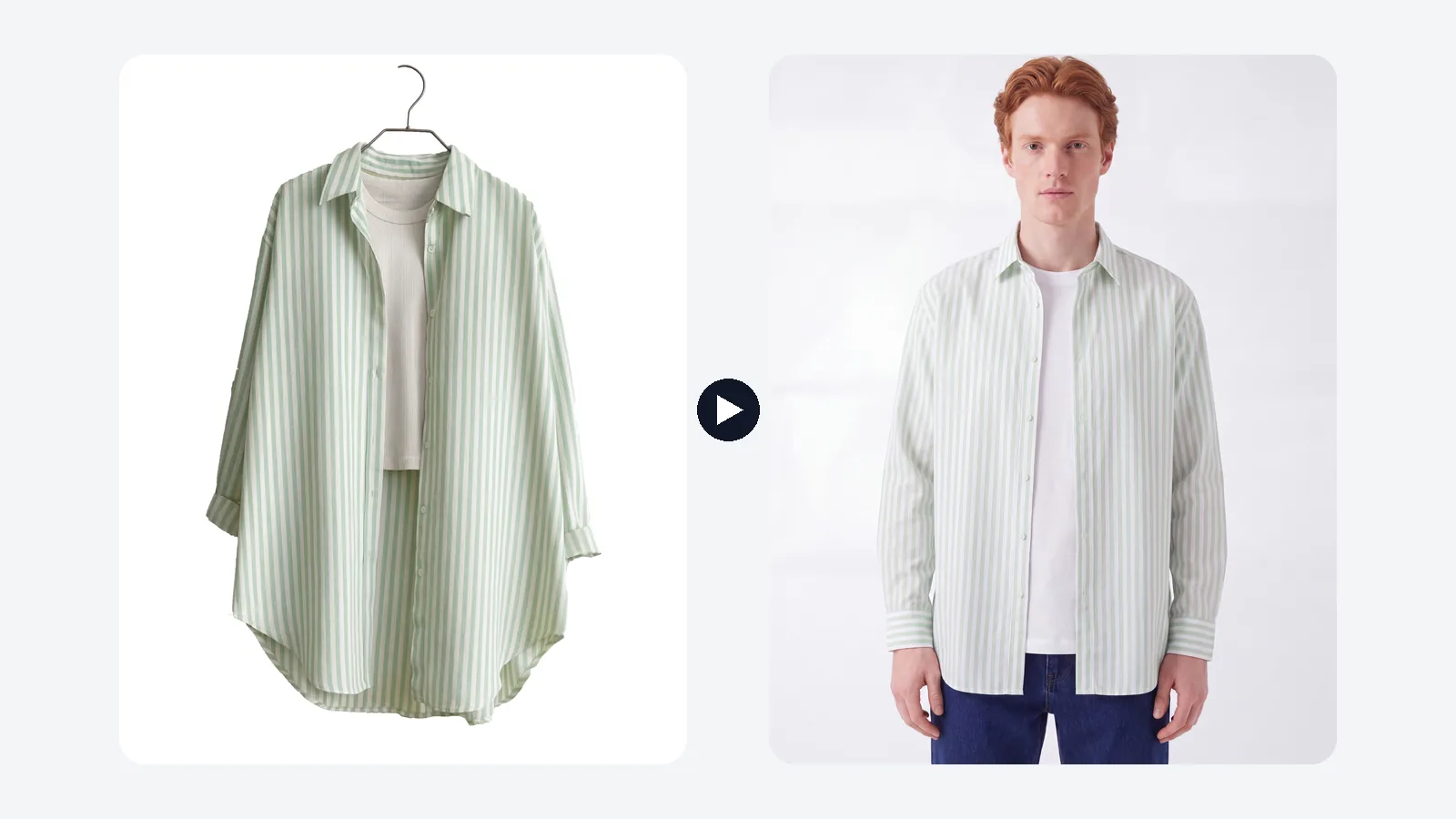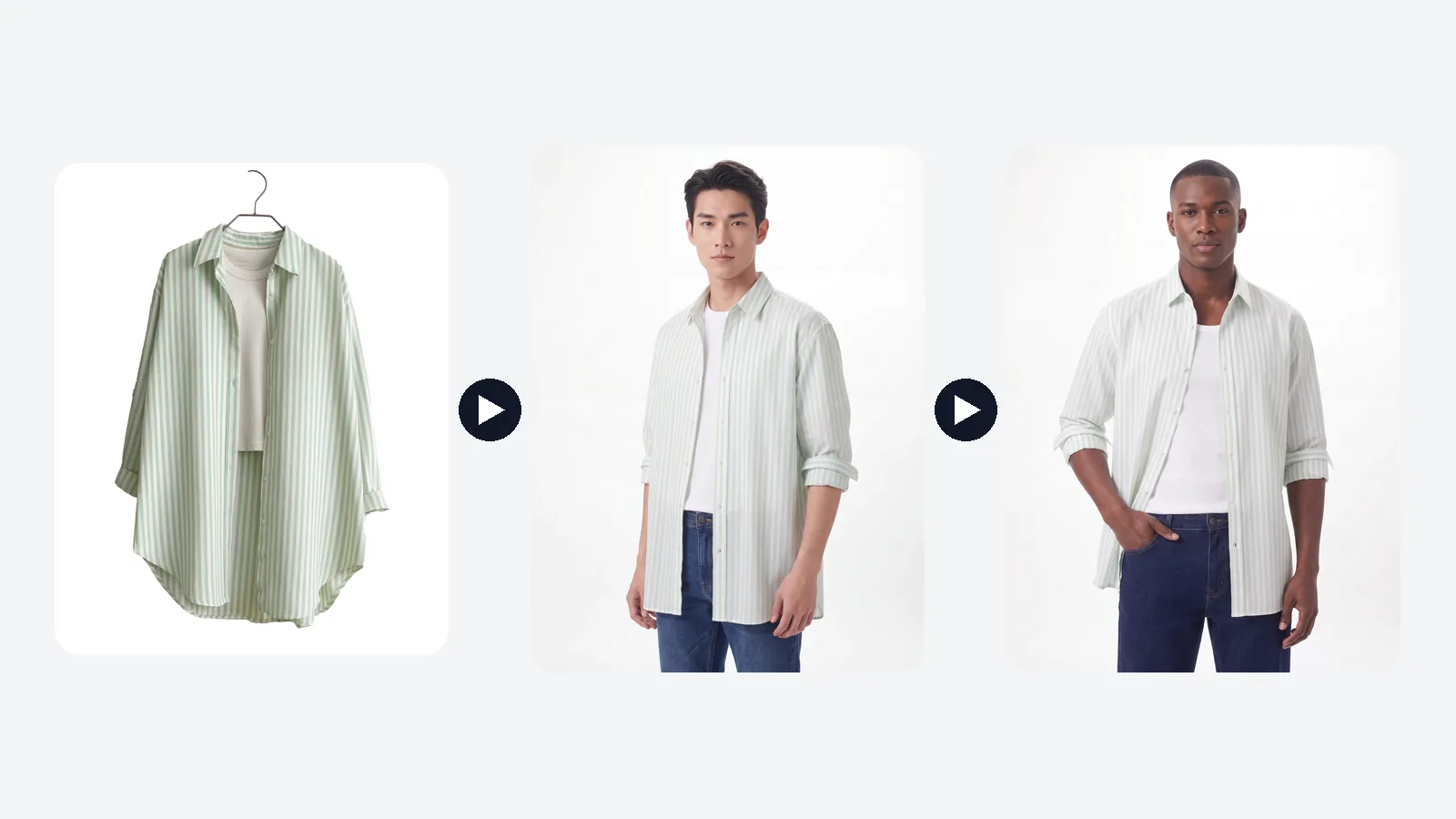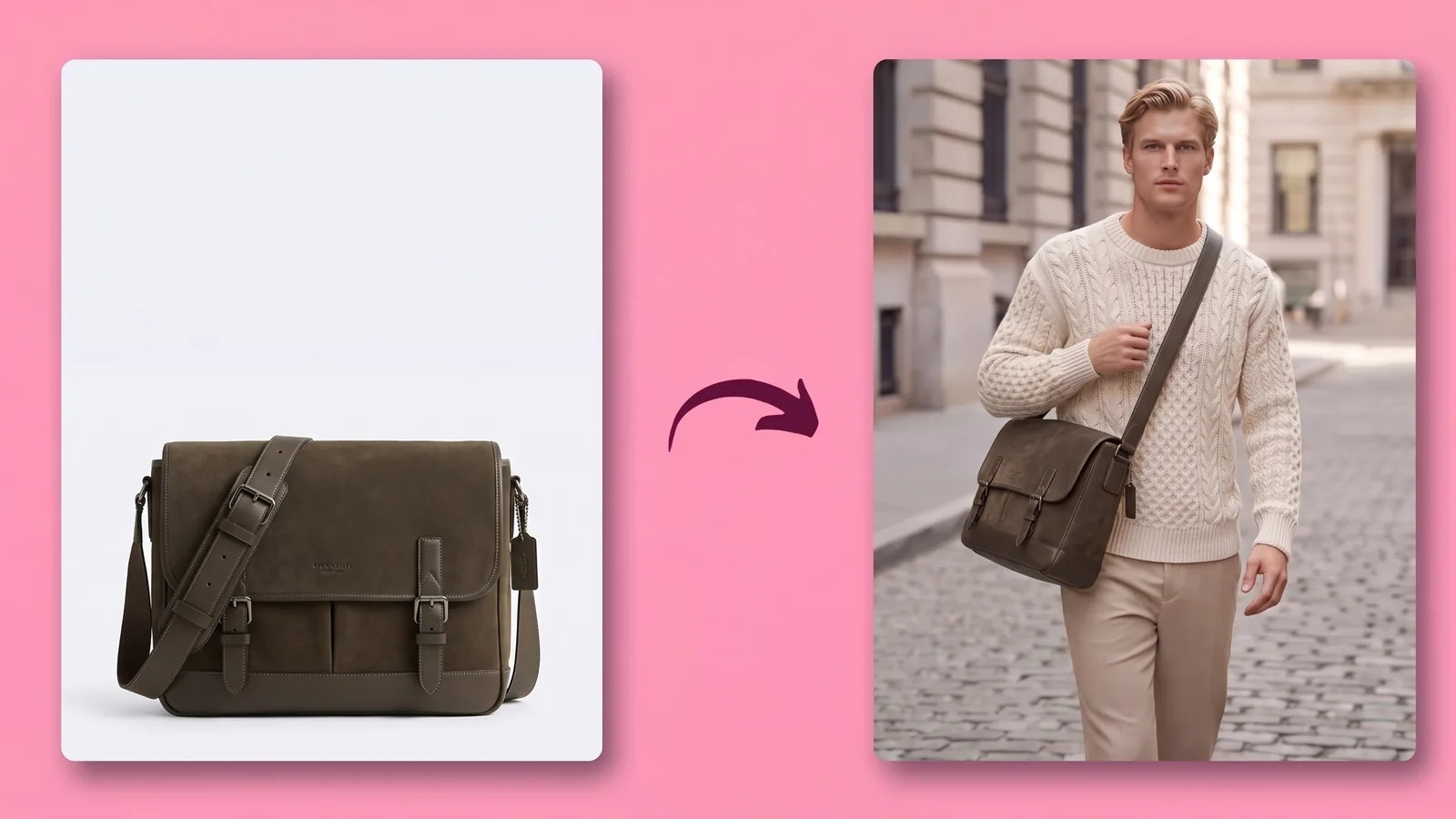
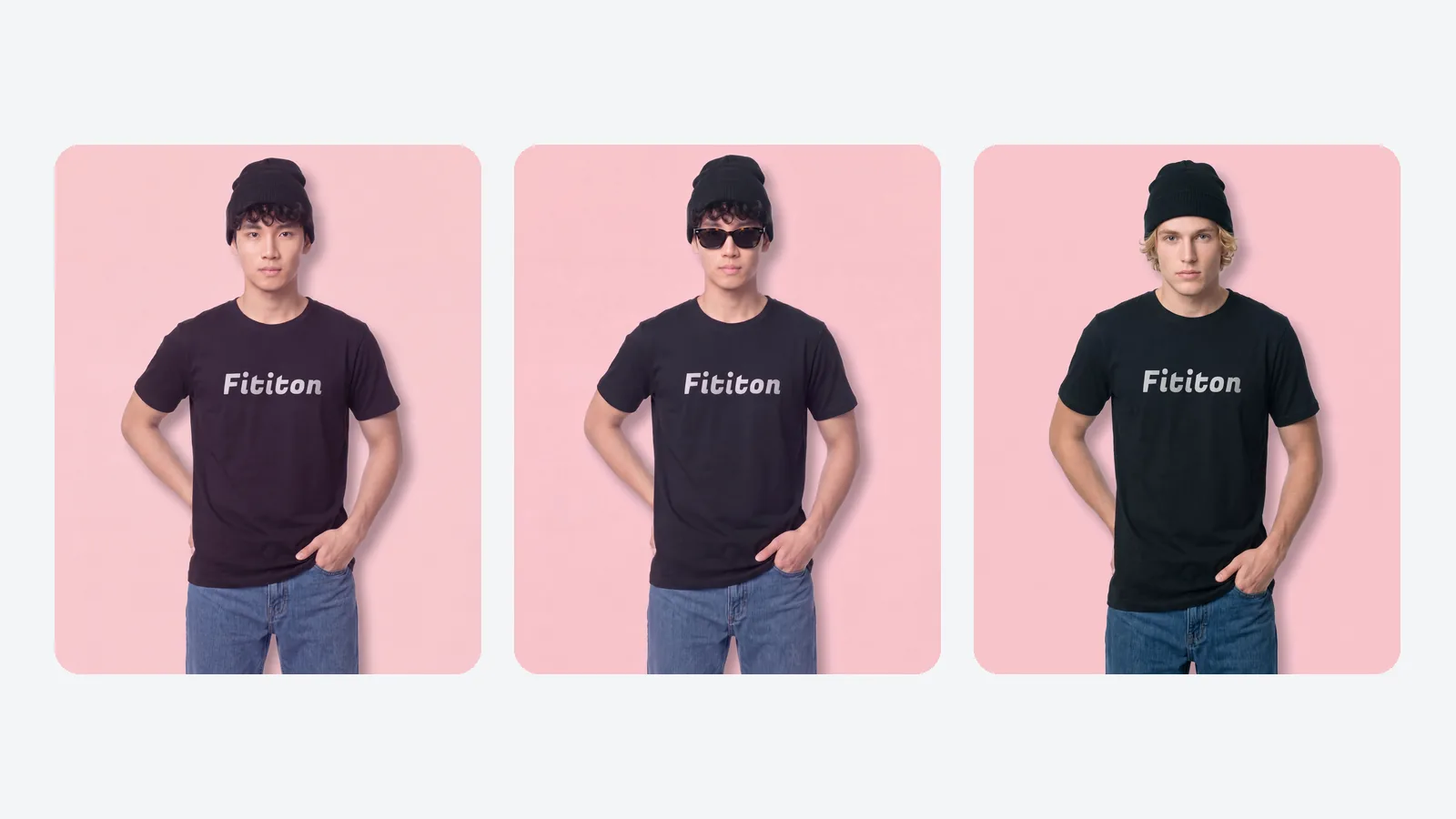
AI makes product photos and content cheap, but it doesn't remove the biggest cost of starting a clothing brand: inventory. Factory minimums often run 50 to 500 units per style. The budget route is to test demand with AI images of a single sample, or start with print-on-demand, and order stock only for designs people have already asked for.
Last updated: November 2026 · Prices checked November 2026
How much does it cost to start a clothing brand with AI?
The fixed tools can cost under $50 a month. The real variable is stock: with a factory, your first order is the minimum order quantity (MOQ) times your unit cost, for every style. With print-on-demand, you pay per order instead.
| Cost | Print-on-demand start | Small factory run | Where the number comes from |
|---|---|---|---|
| Inventory | $0 upfront; you pay the product cost when a customer orders | MOQ × unit cost, per style. Example: 3 styles × 100 units × $12 = $3,600 | Printful pricing page; the factory example is an assumption, plug in your quotes |
| Samples | Order one of each design to check quality | Price varies; ask before you commit | Varies by supplier |
| Store | Shopify Basic: $29/month billed yearly in the US (varies by region) | shopify.com/pricing | |
| Product photos | Fit It On Starter $15/month (150 credits), or Pro $29/month if you want video | Fit It On pricing | |
| Klaviyo: free up to 250 active profiles | klaviyo.com/pricing | ||
| Demand test ads | Your choice. Example: $100 to $300 per test | Assumption; set a budget you can afford to lose | |
So a print-on-demand start can run on about $44 a month ($29 store + $15 photos) plus samples and ads. A factory start adds the first production run, which is usually the largest single cost.
How do MOQs, samples and print-on-demand work?
A factory makes your design in bulk but sets a minimum per order. A print-on-demand service prints a blank garment only after a customer buys. Factories give you more control and a lower unit cost; print-on-demand gives you no stock risk.
Minimum order quantities
- Maker's Row (2026) puts typical MOQs for US clothing manufacturers at 50 to 500 units per style, and says most factories apply the minimum per colourway too.
- That multiplies fast. Shopify's wholesale guide warns that a 100-piece minimum per style can force you to buy several sizes and colours of each style, which raises your upfront cost (Shopify).
- Always ask whether a quoted minimum is per style, per colour or per size.
Samples
Get a sample before any bulk order. Check fabric weight, stitching, sizing against your size chart, and how the colour looks in daylight. That same sample is what you'll photograph for your demand test, so it does double duty.
Print-on-demand
Services such as Printful produce each item after it sells. Printful says there are no upfront costs and you never pay for unsold stock; your profit is your retail price minus Printful's cost. The trade-off is a higher cost per item and less choice of blanks, so it suits graphic and printed designs better than cut-and-sew pieces.
How do I validate a clothing idea before ordering inventory?
Photograph one sample, turn it into on-model images with AI, and put it in front of real buyers as a pre-order or waitlist. Place a bulk order only if enough people commit.
- Get one sample of each design you're considering.
- Shoot it flat on a plain background in even daylight. A phone camera is fine; steam out the wrinkles first.
- Create on-model photos with product-to-model. Pick models that look like your target customer.
- List it as a pre-order or waitlist with a clear ship date, so nobody thinks it's in stock.
- Send traffic: a small ad test, your email list, or your own social accounts.
- Decide with a pass mark you set in advance, for example "30 pre-orders in two weeks". Without one, it's too easy to talk yourself into a weak result.
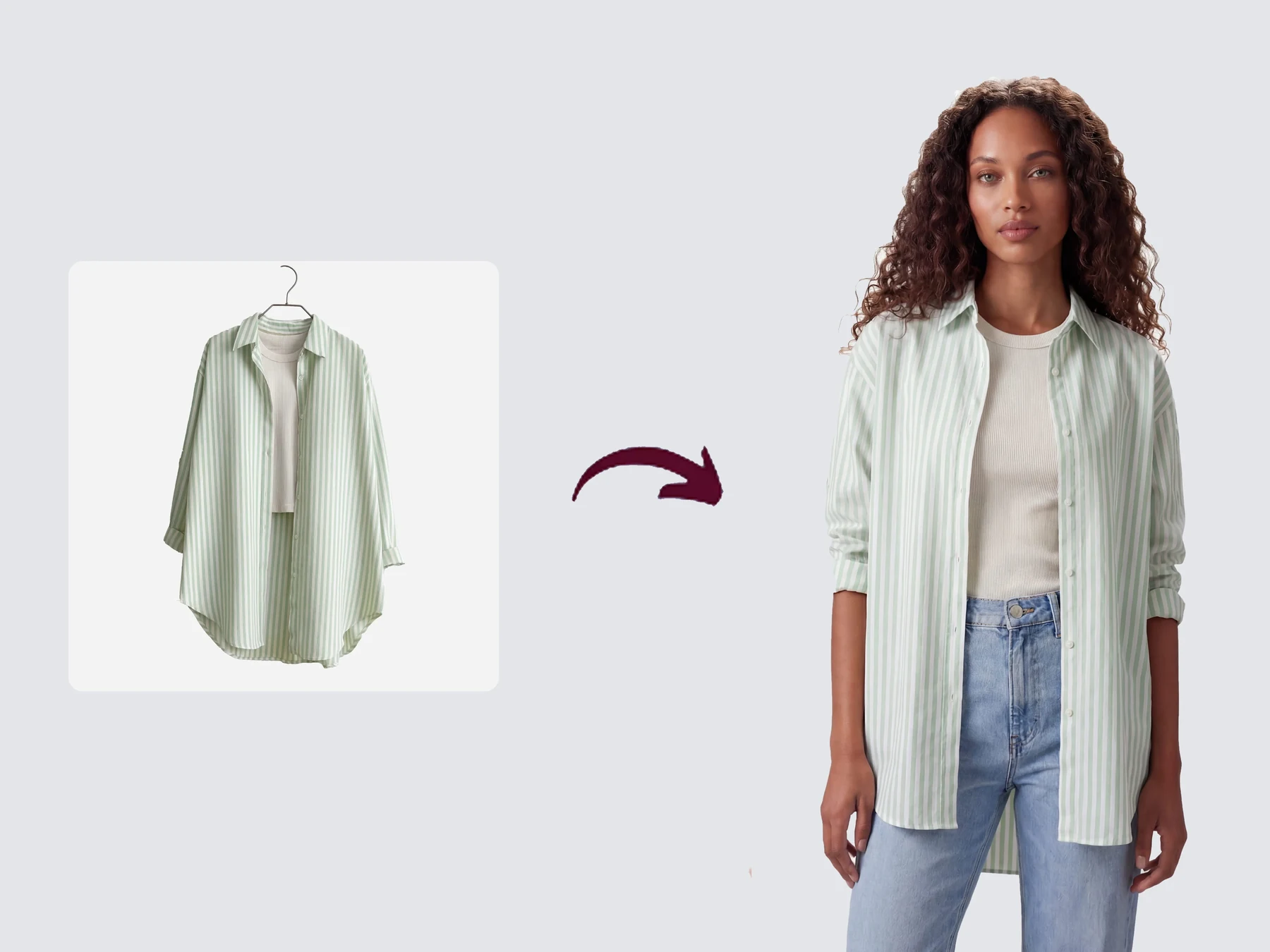
At 3 credits per 2K image, ten test images cost 30 credits, about $3 on the Starter plan. Compare that with ordering a full run of a design nobody wants.
Do I still need a photographer?
For catalog photos, usually not: AI can put each product on a model in a clean, consistent style. You may still want a photographer for a brand campaign, close-up texture shots, or real customers wearing the clothes.
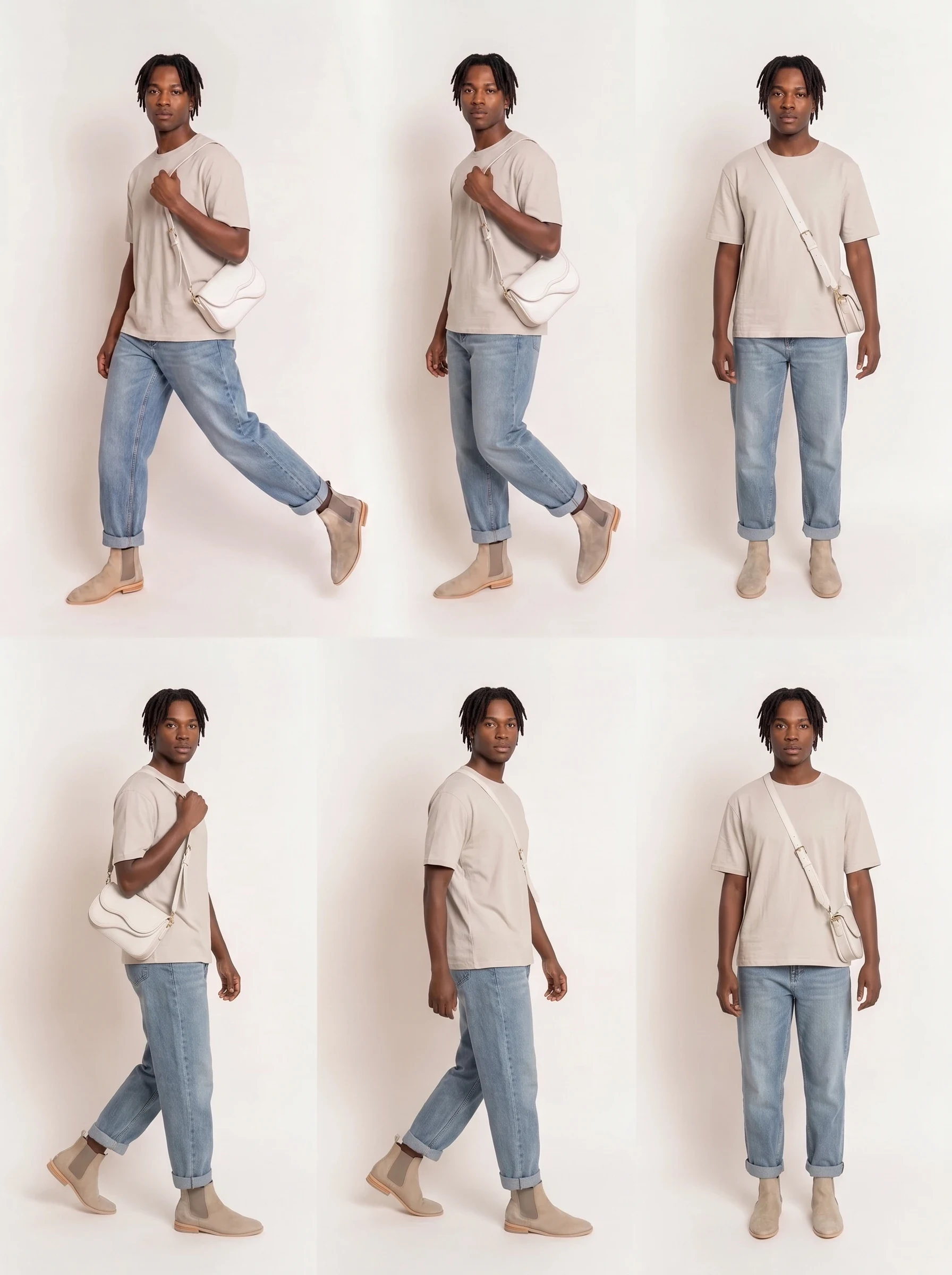
- AI does well: on-model catalog shots, extra poses and angles, swapping backgrounds, and keeping the same consistent model across your range.
- A photographer still helps with: campaign imagery with a strong creative idea, macro detail of fabric and trims, and content with real people.
- Always check accuracy. Compare every AI image with the real sample for colour, length and fit. A photo that flatters the garment more than reality leads to returns.
Speed is not the bottleneck: on Fit It On, a 2K product-to-model image took a median 26.1 seconds in our production benchmarks. Fit It On is built for apparel, and custom model creation and video need the Pro or Agency plan; Starter includes preset models. For a cost comparison with a real shoot, see AI fashion models vs real models.
How do I turn one product photo into weeks of content?
Start from one clean product photo, then make variations of it: on-model shots, new backgrounds, different poses and a short video. Each one becomes a post, an ad or an email image.
- Product page: on-model shot on a plain background, plus extra angles.
- Instagram: the same look on a coloured or outdoor background.
- Reels and TikTok: a short clip from image-to-video.
- Email: a hero image for the launch, then styled variations for follow-ups.
- Ads: test two models or two backgrounds against each other without a reshoot.
The clip below started as a flat photo of a black tee. It was put on a model, moved to a pink backdrop, given sunglasses with a prompt edit, then animated.
Video on Fit It On paid plans uses Kling 3.0 Omni: 3 to 15 second clips at 720p or 1080p, with audio on by default. It's available on Pro and Agency, not Starter. Our image-to-video guide covers how to get good clips.
What does a simple launch plan look like?
Run it in three stages, and don't move on until the current one works.
- Weeks 1–2, test: samples, AI photos, pre-order page, small traffic test. Drop the designs that miss your pass mark.
- Weeks 3–4, produce: order the winners from a factory, or switch them on in print-on-demand. Make full product-page images and a size chart with measurements.
- Weeks 5–6, launch: email your waitlist first, then post the content you made from each product photo. Set up an abandoned-cart email.
For tool choices and prices at each stage, see our roundup of AI tools for fashion ecommerce.
Related guides
Frequently asked questions
Can I start a clothing brand with no money?
Not quite, but you can start without buying stock. Print-on-demand services produce each item after it sells, so your main costs are a store plan, samples, photos and some marketing. Budget for samples and a demand test before your first sale.
What is a typical MOQ for a small clothing brand?
Maker's Row (2026) puts typical minimums for US clothing manufacturers at 50 to 500 units per style, often applied per colour as well. Always confirm whether the minimum is per style, colour or size.
Is it OK to sell clothes using AI-generated model photos?
Yes, as long as the images show the real product accurately. Check colour, length and fit against your sample, and keep at least one real photo or a detail shot of the fabric. If you take pre-orders, say so clearly and give a ship date.
Which Fit It On plan do I need to start?
Starter ($15/month, 150 credits) covers on-model photos with preset models, up to 4K. If you want product videos or your own custom brand models, you need Pro ($29/month, 300 credits) or Agency. See pricing for details.
Should I use print-on-demand or a factory?
Use print-on-demand to test printed designs with no stock risk. Move a design to a factory once it sells steadily and you want a lower unit cost or a custom cut. You can also do both: print-on-demand for new ideas, factory runs for proven sellers.